
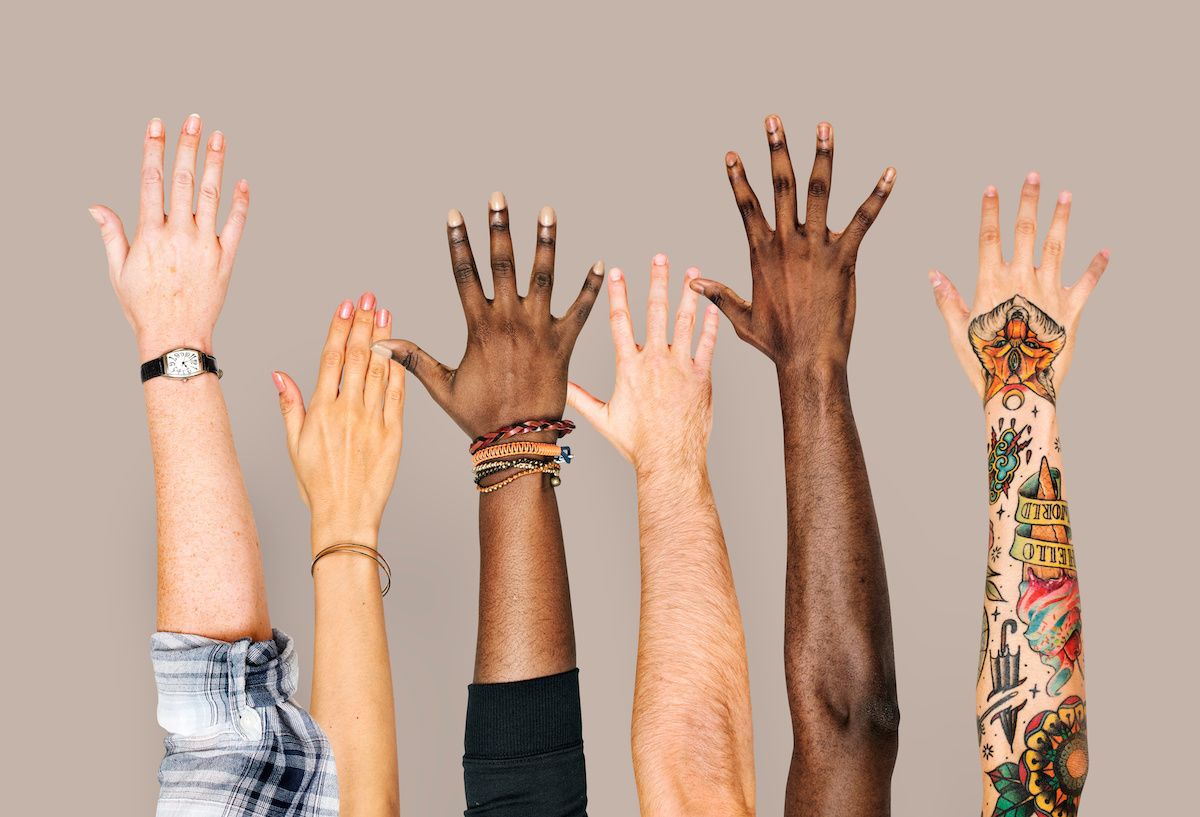
Racial diversity matters in society, but how come it’s lacking in medicine? Clinical trials play a crucial role in the development of new medical treatments. They are essential for ensuring the safety and efficacy of drugs and other medical interventions before making them available to the general public. However, a significant issue in clinical trials is the lack of racial diversity among participants. This shortage can seriously affect trial outcomes and the health of different racial and ethnic groups.
Racial Diversity and Medical Research: A Joint Effort
Underrepresented populations in clinical trials may not receive the same benefits from new treatments as those who participate. If the testing subjects aren’t diverse enough, the results may not accurately reflect the effects of the treatment on different racial and ethnic groups. In addition, medical treatments that are developed without considering the differences in genetics, lifestyle, and other factors between racial and ethnic groups may not be as effective for some populations, making the treatment unusable and potentially harmful.

By neglecting to include a diverse range of individuals in clinical trials, the effectiveness of treatments is limited and tailored only to specific populations. This imbalance means that many racial and ethnic minorities experience higher rates of illnesses due to an inadequate variety when it comes time for testing potential cures, consequently creating disparities between them and those adequately represented in these studies.
With inequality in access to healthcare a critical issue, clinical trials must reflect our population’s full diversity. This means actively recruiting participants from underrepresented racial and ethnic groups, taking into account their specific needs during trial design and execution while also ensuring all populations have equal opportunities to benefit from the results. With this approach, we can bridge existing gaps in medical knowledge, making sure no one gets left behind when it comes to improved health outcomes.

Racial diversity in clinical trials is essential for ensuring that the results are representative of the entire population, that treatments are developed with the specific needs of different racial and ethnic groups in mind, and that healthcare disparities are reduced. By prioritizing racial and ethnic diversity in clinical trials, we can work towards a future where all populations have equal access to safe and effective medical treatments.
To Participate in a Clinical Trial, Contact SFCRI
SFCRI is committed to racial diversity in all our clinical trials. We encourage individuals of all races, orientations, gender, and creeds to take part in groundbreaking medical research. To learn how you can participate, please visit our Current Studies page.
Read more:
Locating and Understanding Clinical Trials in Florida: Regulations and Resources
Emerging Trends and the Future Landscape of Clinical Trials
How to Join a Leading Clinical Research Team: Open Positions for Psychiatrists, Psychologists, and Clinical Investigators with SFCRI
FAQs About Racial Diversity in Clinical Trials
1. Why is racial diversity important in clinical trials?
Racial diversity is important because clinical trials must reflect the full population to ensure treatments are safe and effective for everyone. If participants are not diverse, results may not accurately represent how different racial and ethnic groups respond to a treatment.
2. How does a lack of diversity affect medical research outcomes?
When underrepresented populations are not included in clinical trials, treatments may not account for differences in genetics, lifestyle, and other factors. This can limit effectiveness for certain groups and contribute to healthcare disparities.
3. Can limited diversity in trials increase health disparities?
Yes. If treatments are primarily tested on specific populations, racial and ethnic minorities may experience higher rates of illness due to insufficient representation in research. This imbalance can widen existing healthcare gaps.
4. How can clinical trials become more inclusive?
Clinical trials can become more inclusive by actively recruiting participants from underrepresented racial and ethnic groups and considering their specific needs during trial design and execution. Ensuring equal opportunities to participate helps make results more representative.
5. How is SFCRI addressing diversity in clinical trials?
SFCRI encourages individuals of all races, orientations, genders, and creeds to participate in clinical research. The institute is committed to promoting racial diversity in its clinical trials and invites interested individuals to explore current study opportunities.