
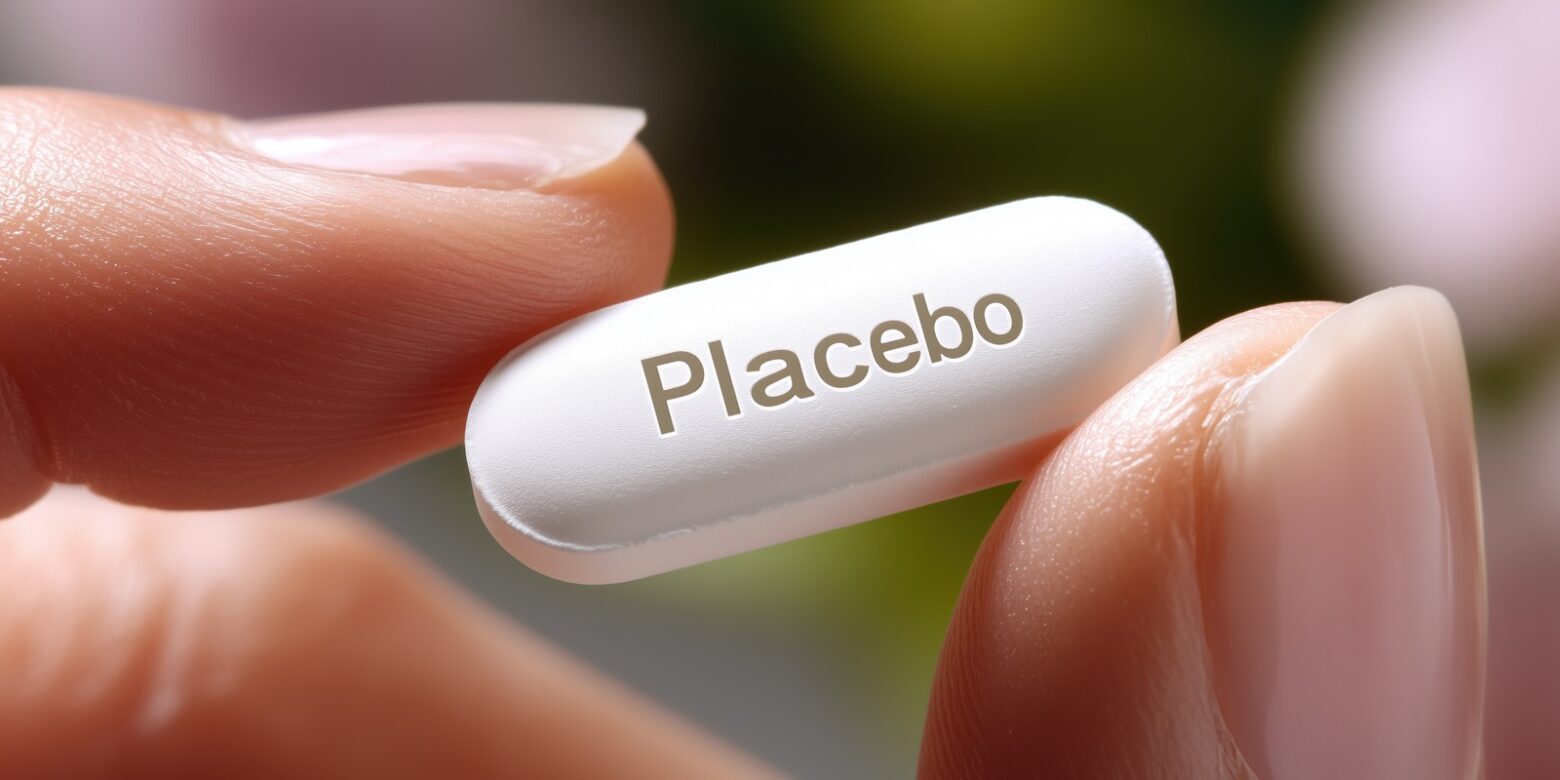
When people hear about clinical trials, one of the most frequently asked questions is: What is a placebo? Closely tied to that is the concept of the placebo effect — a fascinating and essential aspect of medical research. In the context of modern drug development, understanding the placebo effect in clinical trials is critical for interpreting study outcomes and ensuring scientific integrity.
This article explains what placebos are, how the placebo effect works, and why they are commonly used in clinical research. This article explains what placebos are, how the placebo effect works, and why they are commonly used in clinical research to evaluate the safety and effectiveness of potential treatments.
What Is a Placebo?
A placebo is a substance or treatment that has no therapeutic effect. It is designed to look, taste, or feel like the real treatment being studied but does not contain any active ingredients. Common forms of placebos include:
- Sugar pills
- Saline injections
- Sham procedures (in surgical trials)
Placebos are used as a control in clinical trials to compare the actual effect of a drug or treatment against an inactive version. This helps researchers determine whether the real treatment produces outcomes beyond what might occur naturally or through psychological expectations.
What Is the Placebo Effect?
The placebo effect refers to the psychological and physiological response a person experiences after receiving a placebo, simply because they believe they are receiving a real treatment. In other words, the expectation of improvement can lead to real, measurable changes in health — such as reduced pain, lower blood pressure, or improved mood.
This effect is a powerful demonstration of the mind-body connection and plays a crucial role in shaping outcomes in both clinical and everyday settings. That’s why the placebo effect in clinical trials is so important to account for when evaluating new therapies.
Why Use Placebos in Clinical Trials?
Placebos are primarily used in randomized controlled trials (RCTs), which are widely regarded as the gold standard in clinical research. Their inclusion enhances the scientific rigor of the trial by ensuring that any observed effects are directly attributable to the experimental treatment.
Placebos help researchers to:
- Establish whether a treatment is genuinely effective by comparing it against an inactive substance
- Eliminate bias or psychological influence that may otherwise skew results
- Identify potential side effects that are specific to the actual treatment, as opposed to those that may result from mere participation in a trial
By incorporating a placebo group, researchers can more accurately determine whether a drug or therapy provides benefits beyond what could be expected from natural healing or the psychological impact of simply believing one is receiving treatment. This is critical when evaluating the true efficacy of interventions in both pharmaceutical and behavioral research.
Moreover, trials that rigorously evaluate the placebo effect in clinical trials contribute to evidence-based medicine by helping separate promising therapies from those that do not offer real benefit. Study designs can vary considerably depending on the treatment, condition, and research objectives. Prospective participants can explore SFCRI’s current clinical studies to learn more about research opportunities and the types of studies currently being conducted.
Ethical Use of Placebos
While placebos offer immense value in clinical research, their use must always adhere to strict ethical guidelines to protect the rights and well-being of participants. Placebos are only considered ethically acceptable when:
- No proven effective treatment currently exists for the condition being studied
- Participants are fully informed that they may receive a placebo and give their voluntary, written consent
- The study is reviewed and approved by an Institutional Review Board (IRB) to ensure it meets ethical standards and minimizes potential harm
In scenarios involving serious or life-threatening illnesses, using a placebo in place of a known effective treatment is considered unethical. Instead, new treatments are compared to the current standard of care, ensuring that participants continue to receive appropriate medical attention.
Transparent communication and rigorous oversight are essential to maintaining public trust in clinical research and upholding the integrity of trials that investigate the placebo effect in clinical trials. These safeguards are part of the broader standards for patient safety in clinical research, which are designed to protect participants’ rights, health, and well-being throughout a study.
Blinding and Double-Blind Studies
To further enhance the credibility of clinical research, many placebo-controlled trials employ a technique known as blinding. This process minimizes the influence of participants’ and researchers’ expectations on the outcomes of the study:
- Single-blind studies: Participants are unaware whether they are receiving the experimental treatment or a placebo.
- Double-blind studies: Both participants and the researchers administering the treatment are kept unaware of the group assignments.
Blinding is essential for eliminating conscious or unconscious bias, which can otherwise alter how symptoms are reported, monitored, or interpreted. This methodology ensures that trial results reflect the actual effect of the treatment, not the beliefs or hopes of those involved.
In the study of the placebo effect in clinical trials, double-blind designs are particularly important. They help researchers better isolate the true psychological and physiological effects of placebos from the active treatment’s pharmacological impact. Participants may not know which treatment group they have been assigned to, but the research team will explain what participation involves before enrollment. Learning how to prepare for a clinical trial can help prospective participants know what questions to ask and what to expect from the study process.
Misconceptions About Placebos
There’s a common misconception that placebos are simply “fake medicine” or that their effects are imagined or irrelevant. In truth, placebos are scientifically validated tools that serve essential functions in clinical research:
- They help validate the effectiveness of new treatments by providing a benchmark for comparison
- They improve trial design and accuracy, eliminating the noise created by psychological variables
- They offer deep insights into the mind-body connection, expanding our understanding of how expectations, belief, and care settings influence health
Importantly, the placebo effect can cause real, observable changes in brain chemistry, immune response, and other physiological systems. This is why careful measurement and interpretation of the placebo effect in clinical trials is so vital to modern medicine. It ensures that treatment benefits are real, reproducible, and medically meaningful. For individuals considering clinical trials in Florida, understanding concepts such as placebo groups, randomization, and blinding can make it easier to ask informed questions about how a particular study is designed.
Explore Clinical Trial Opportunities at SFCRI
Understanding placebos and the placebo effect can help you make a more informed decision about clinical trial participation. While not every study uses a placebo, researchers will explain the study design, potential risks and benefits, treatment groups, and your rights before you decide whether to enroll.
At South Florida Clinical Research Institute, our experienced research team is committed to making the clinical trial process clear and providing participants with the information they need at every stage.
Interested in contributing to clinical research? Explore SFCRI’s current studies to discover actively recruiting research opportunities and learn whether a study may be appropriate for you.
Have questions about eligibility, study procedures, or what participation involves? Contact SFCRI today to speak with our research team and learn more about participating in a clinical trial in Florida.
FAQs
A placebo is an inactive substance designed to resemble the treatment being studied but without any therapeutic effect. It is used as a control to help researchers determine whether the actual treatment produces measurable results beyond natural or psychological responses.
The placebo effect occurs when a person experiences real improvements in their condition simply because they believe they are receiving treatment. This effect is important because it can influence study outcomes and must be accounted for when evaluating a treatment’s true effectiveness.
Placebos help establish whether a treatment is genuinely effective by providing a comparison point. They also reduce bias and allow researchers to isolate the true effects of the investigational treatment from psychological or external influences.
Yes, but only under strict ethical conditions. Participants must be informed that they may receive a placebo, and its use is generally limited to situations where no proven treatment exists or where participants are not deprived of standard care.
In a double-blind study, neither participants nor researchers know who receives the placebo or the actual treatment. This method reduces bias and ensures that results are based on the treatment’s true effects rather than expectations.